
Football is watched by more than five billion people worldwide, according to global estimates from FIFA. From packed stadiums in Europe to quiet apartments in California, the sport travels easily across borders. Alongside that growth, betting culture has evolved into a digital habit shaped by apps, data dashboards, and prediction platforms.
Modern fans rarely rely on instinct alone. They scroll through statistics, injury reports, and probability charts before placing a wager. Many turn to online platforms that specialize in soccer match analysis, offering daily predictions on leagues from England, Spain, and Italy. These sites operate globally, reaching readers in cities far from the stadiums themselves. San Francisco, with its strong tech culture and international population, has become one of the many American cities where this content finds an audience.
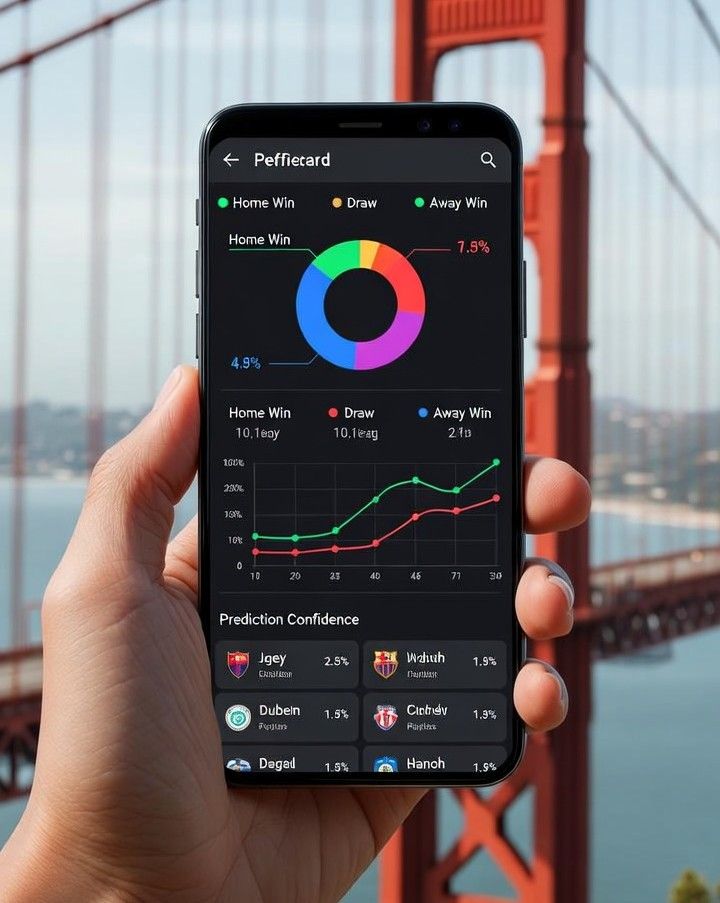
A Global Game Meets a Tech Capital
San Francisco is home to major technology firms and start-ups that thrive on data. Companies like Google, Apple, and Meta have shaped how people consume information. Sports betting content fits naturally into this environment. Prediction platforms present numbers, trends, and algorithms in a way that feels familiar to tech-savvy users.
European leagues such as the English Premier League and Spain’s La Liga command loyal followings across the Bay Area. Matches often air early in the morning due to time differences, yet sports bars and living rooms still fill with fans. As viewers watch, many keep a second screen open. They compare odds, read previews, and follow tipster discussions in real time.
This blend of sport and statistics reflects Silicon Valley’s broader mindset. Data drives decisions in business, health, and finance. Betting platforms mirror that culture by framing wagers as calculated choices rather than pure chance. Charts, head-to-head records, and form guides turn each match into a puzzle to solve.
Legal Realities in California
California presents a complex legal picture. As of recent years, statewide online sports betting has not been fully legalized, despite ballot initiatives that drew national attention. In 2022, competing propositions backed by major betting operators failed to pass. That outcome left residents without regulated online sportsbooks within state borders.
Yet digital content itself remains accessible. Reading predictions, reviewing odds, and studying match previews are legal activities. Many international websites publish analysis without directly operating as licensed U.S. sportsbooks. This creates a gray area where information flows freely, even when local wagering options are limited.
San Francisco residents are used to navigating evolving regulations. The city has long been at the center of debates over technology policy, privacy, and innovation. Discussions about sports betting fit into that larger conversation. Lawmakers, tribal groups, and commercial operators continue to weigh the economic benefits against social concerns.
Data, Community, and Culture
Online betting culture is about more than money. Forums, social media groups, and Telegram channels build communities around shared predictions. Fans discuss lineups and debate tactics late into the night. For many, studying soccer match analysis feels similar to fantasy sports or stock market research. It becomes a hobby grounded in numbers and discussion.
San Francisco’s diverse population adds another layer. The city includes immigrants from Europe, Latin America, and Asia, regions where football betting is common. These communities bring established habits and interests. Digital platforms allow them to follow their home leagues while living thousands of miles away.
Technology enhances that experience. Mobile apps send goal alerts instantly. Live dashboards update possession stats and expected goals metrics within seconds. Artificial intelligence tools generate predictive models. The result is a fast, interactive environment that appeals to users comfortable with digital tools.
Technology Shapes Modern Wagering Behavior
Algorithms now influence how bets are evaluated. Machine learning models assess past results, player performance, and weather patterns. While no system guarantees success, the presentation of structured data gives users a sense of control. That perception aligns with San Francisco’s culture of optimization and experimentation.
At the same time, experts caution against overconfidence. Analysts from research institutions and responsible gambling groups remind bettors that uncertainty remains central to sports. Upsets happen. Injuries change outcomes. Even the most detailed forecast can fail.
As conversations about regulation continue in California, technology will likely remain at the heart of the debate. Policymakers must balance consumer protection with innovation. Companies look for ways to operate transparently and responsibly. Users, meanwhile, continue exploring digital tools that help them interpret the game.
READ ALSO: San Francisco, Gambling Culture, and the Rise of Betting Apps
Global Reach, Local Conversations
Football’s worldwide appeal ensures that prediction content travels quickly across time zones. What begins as a preview of a Serie A clash in Italy can end up influencing discussions in a San Francisco café. The internet removes physical distance, allowing fans to participate in a shared global moment.
The rise of soccer match analysis platforms shows how deeply sport and technology now intersect. They reflect a broader trend in which information moves freely, even when laws differ from one jurisdiction to another. For San Francisco audiences, engaging with these platforms feels like an extension of the city’s digital DNA.
From European stadiums to California living rooms, football betting culture continues to evolve. Its future in the United States will depend on regulatory choices and market forces. Yet the cultural connection is already clear. Data-driven fans, armed with smartphones and statistics, have woven global match predictions into the rhythm of local life.